The Head of the Charles Regatta: An English Idea in Boston
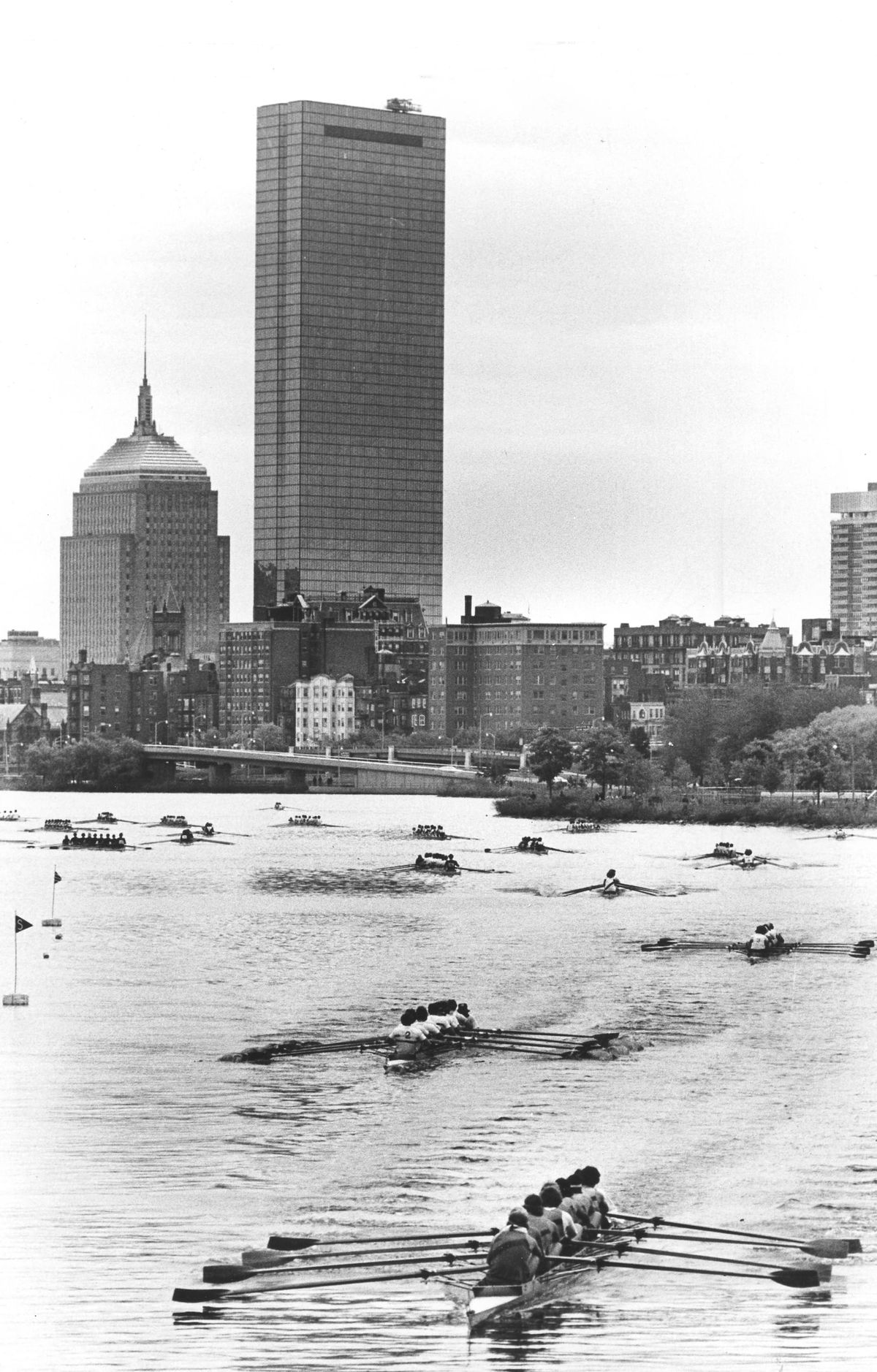
The Head of the Charles Regatta began in 1965 because an Englishman suggested it. Ernest Arlett, then teaching sculling at Harvard, put it to members of the Cambridge Boat Club that the Charles might hold a “head of the river” race in the manner of those he had known at home. They took the advice, and the first race was rowed on 16 October that year. This year’s regatta runs from 16 to 18 October.
The Thames Original
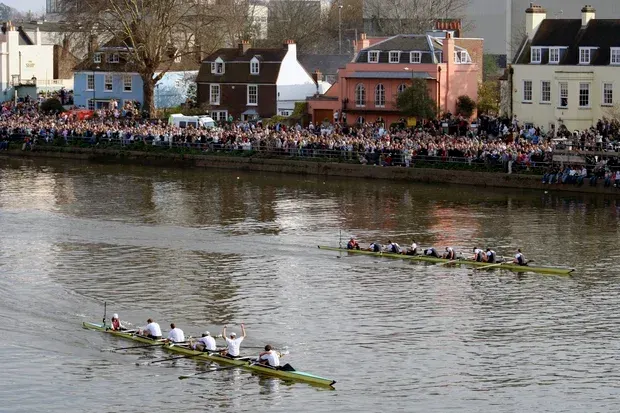
The format will be familiar to anyone who has stood on the towpath at Putney in March. Crews do not race side by side but set off one after another, roughly 15 seconds apart, against the clock. This means nobody is entirely sure who has won until the arithmetic is done, an arrangement well suited to a sport conducted largely in winter fog. The Thames original, the Head of the River Race, was begun in 1926 by Steve Fairbairn, an Australian who had rowed at Jesus and held that long winter miles made fast summer crews. It is rowed from Mortlake to Putney, which is to say The Boat Race course in reverse.
The Prize at the Head of the Charles Regatta
The winning crew in each event is styled Head of the Charles. The title is the same honour the Thames gives the fastest crew in the Head of the River Race, and it came to Boston along with the format.
A great deal has been built around the racing since. The regatta has grown from a single afternoon into a three-day event, and it now describes itself as the largest three-day rowing event in the world. The title itself is unchanged.
Bridges, Bends and Coxes
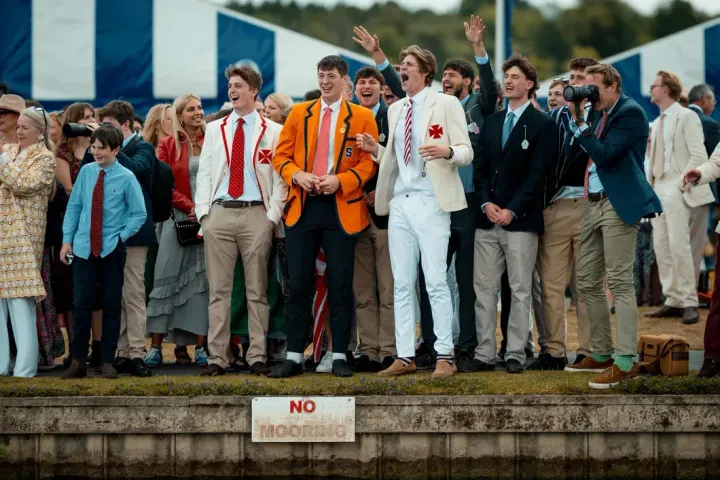
The course runs 4,702 metres upstream under a succession of bridges, and it is steering rather than strength that tends to settle matters. The great bend at Eliot Bridge is where crews lose their line, their temper and occasionally a blade, so it is naturally where the crowds gather and where the organisers have placed their hospitality enclosure. One cannot fault the logic. Spectators at a head race see each crew for a matter of seconds, and it would be unreasonable to ask them to spend those seconds watching anything go smoothly. The enclosure serves afternoon tea, though the crowd is dressed rather more casually than anyone would dare at Henley Royal Regatta, and nobody is turned away for want of a tie.
A Thames Race in a Kinder Month
Cambridge University Boat Club has sent crews again, and some of its rowers say the winding Charles reminds them of the Cam. The British contingent is usually generous. Alongside the university crews come clubs and schools from the Thames and beyond, together with a good many British rowers now racing for American universities, all of whom treat the weekend as an early look at the season to come. They tend to remark on the scale, the foliage and the number of people who appear to know what a head race is, which is not always the case on the towpath at Chiswick.
The Head of the Charles is modelled on a Thames race rowed in March, but Boston holds its version in October, when the weather is kinder and the leaves are turning. It is hard to imagine anyone minding the change – as there fall in New England, and especially in Cambridge (Massachusetts) is unmistakable.
Comments ()