The Bump, the Draw, and Other Things Explained to No One
Henley Royal Regatta does not race like other regattas, and nobody at the water's edge feels any need to say so. There is no field of boats setting off together, no photo finish across a shared line.
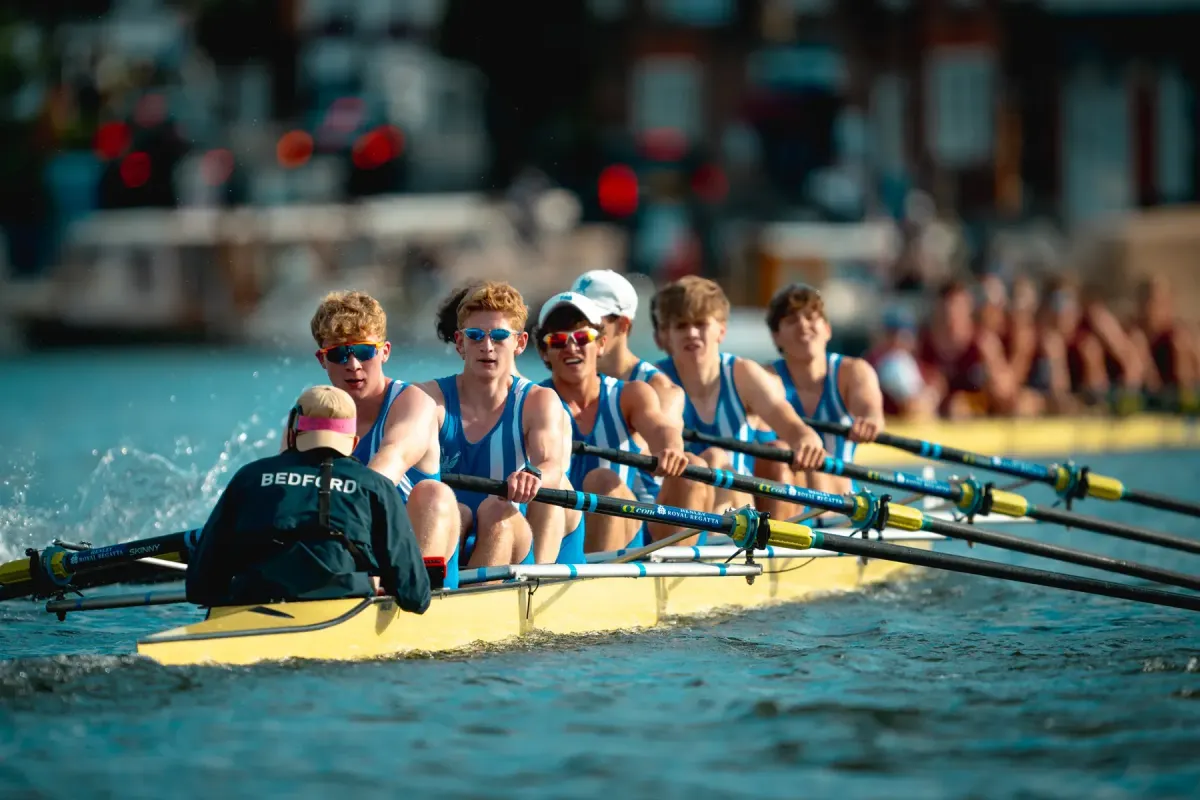
Henley Royal Regatta does not race like other regattas, and nobody at the water's edge feels any need to say so. There is no field of boats setting off together, no photo finish across a shared line. It runs instead as a straight knockout, one crew against another, side by side down the same stretch of the Thames, the loser gone and the winner through to face whoever comes next. Ask why, and the honest answer is simply that it always has. For anyone still finding their feet with the basics, our primer on Henley covers the rest.
The Draw Decides Everything
Before a single blade touches the water, the draw has already settled matters. Published ahead of racing, it sets who meets whom and on which day, with no seeding to soften the blow. A crew can find itself facing the eventual finalists in the very first round, or drift through on a gentler path to the final entirely by chance. Nobody on the towpath thinks this unfair. It is simply the draw, discussed the way one might discuss the weather, an outside force that arranges things as it sees fit and is not to be argued with.
This is what gives Henley Royal Regatta its particular tension. A club that has trained all year can be out by lunchtime on day one, beaten not by the eventual winner but by whichever crew the draw happened to place in front of them.
What a Bump Actually Means Here
Then there is the bump, though the word is used rather differently at Henley than it is upriver at Oxford or Cambridge, where bumps racing is its own separate tradition entirely. Here it tends to mean the sudden collapse of a crew's chances rather than any literal collision on the water: a lead lost in the final furlong, a stroke rate that could not be sustained, a favourite who simply came apart under pressure. Nobody stops to explain which meaning is intended. Everyone on the bank is just supposed to know.
A Private Shorthand, Passed Around Freely
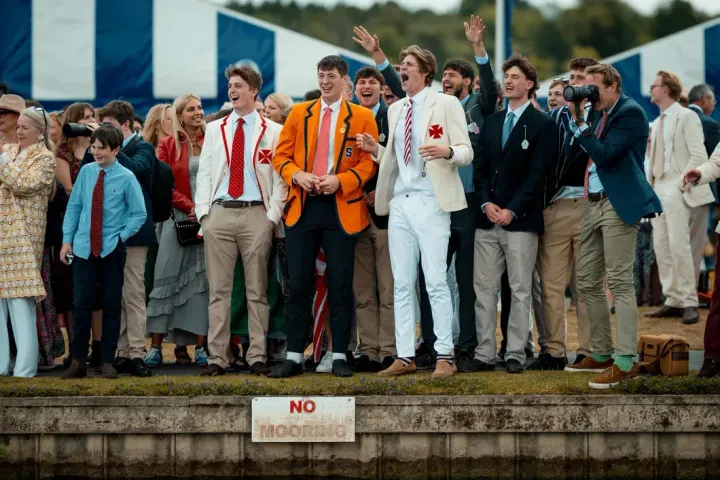
None of this is ever laid out for the newcomer, and that omission is rather the point. The regatta has built its own private shorthand over more than a century, the draw, a bump, a crew going through, and it circulates as though everyone arrived already speaking it. There is no glossary handed out at the gate. The assumption, gently but firmly held, is that one either knows or one does not, and either way the racing continues regardless. Those wanting a fuller sense of the river-side atmosphere might also enjoy Watching Henley Royal Regatta.
It is a small piece of theatre, in its way. Henley could explain itself far more plainly than it does. It simply prefers not to.


Comments ()