The Last Wild Game
Ask a keeper to promise woodcock and watch the evasion begin. They arrive from Scandinavia when weather pushes them south, refuse to be managed, and preserve what most shooting has eliminated: genuine uncertainty.
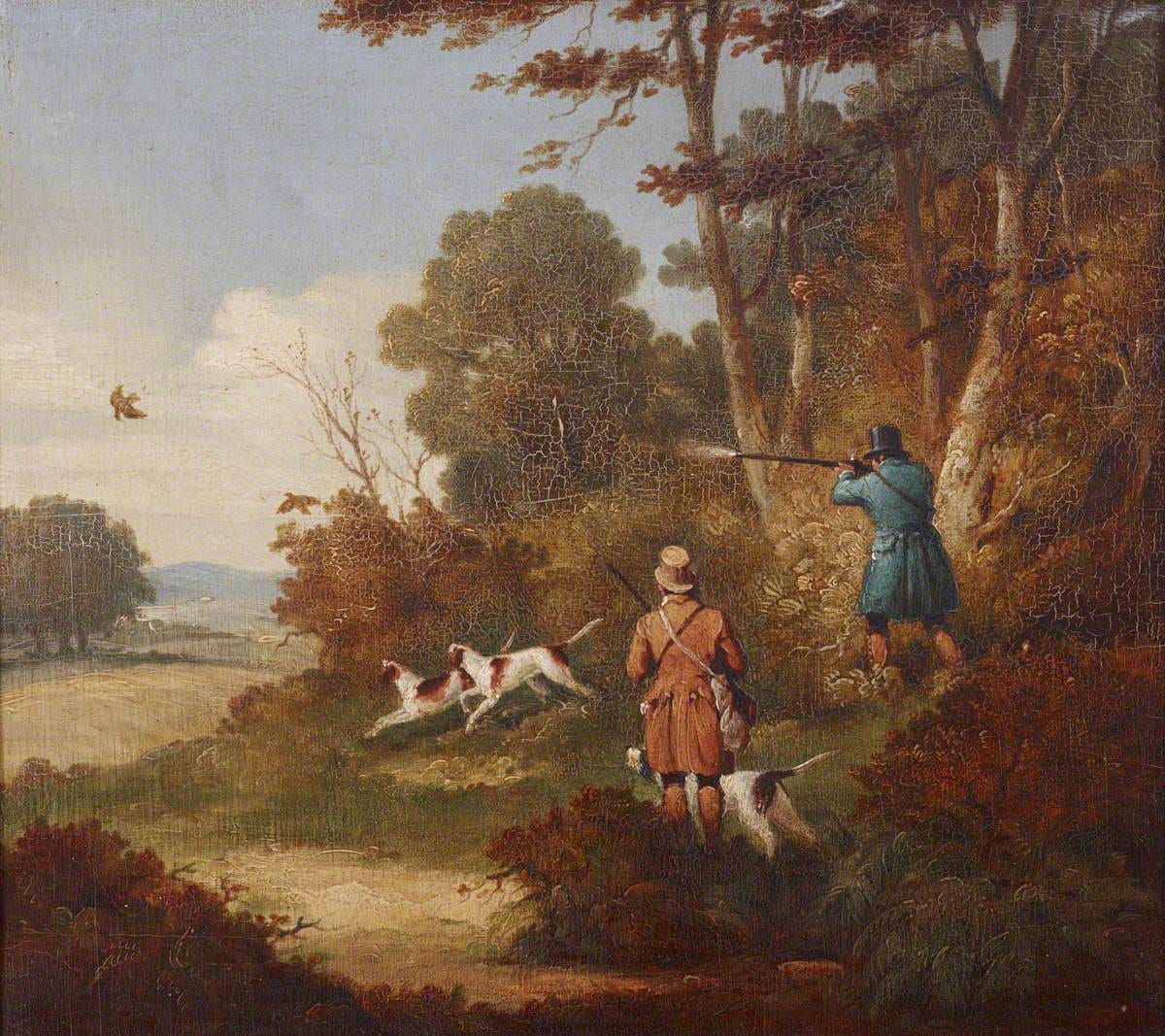
Ask a keeper to promise woodcock and watch the evasion begin. 'The usual coverts' he'll say, meaning he hasn't the faintest idea. Which is rather liberating: if he doesn't know where they are, you can hardly be blamed for not finding them.
Woodcock arrive from Scandinavia when weather pushes them south, usually November onwards. Their numbers vary wildly (fifty birds one winter, five the next) and no amount of estate management changes this. They cannot be reared or released, which makes them the only game bird that operates entirely outside the system that produces reliable shooting elsewhere. A full moon tends to bring birds down in waves, hard frost accelerates movement, mild winters keep them on the Continent.
Beyond Management
Most game shooting fits within planned seasons. Estates know their stock, dates can be set months ahead, results can be guaranteed. Woodcock ignore this entirely.
Even where suitable coverts exist, birds distribute themselves according to their own logic. The patch that held six yesterday holds none today, and the keeper who claims to know where they'll be is guessing. Small morning parties work through thick cover with spaniels, pursuing quarry that may not be present at all. Two birds is a good morning. Five is exceptional. When one is taken, the bird is weighed and the pin feather kept, which strikes some people as rather ceremonial for such a small package.
The consolation when you walk for three hours and find nothing is that everyone expected this outcome anyway. Take a flask, bring the dog, enjoy the exercise. There are considerably worse ways to spend a December morning.
What Uncertainty Demands
Woodcock require spaniels, not pointers. The terrain they choose (thick rhododendron, dense bramble, damp woodland rides) demands a dog that works close and flushes within range. A pointer standing forty yards off in such cover is useless. You need a spaniel pushing through at ten yards, quartering methodically, staying within the gun's effective range when the bird gets up.
The flush itself happens fast. Woodcock explode upward through gaps in canopy, jinxing between trees before you've properly mounted the gun. The shooting is instinctive: you see movement, identify the bird, shoot through a narrow window of winter branches. It frequently doesn't work. Miss the first one and you've at least established yourself as traditionally authentic.
Success requires reading weather, understanding timing, knowing local coverts. Which patches hold birds after frost, how wind affects them, where they sit under different conditions. This comes through seasons of direct experience rather than instruction. Or at least that's what one tells oneself after yet another blank morning.
The work is active rather than presented. You cover ground, push through difficult terrain, and may produce nothing after hours of it. The birds answer to continental climate and lunar cycles rather than anyone's calendar, which means you must as well. You're usually done by eleven, which leaves the rest of the day mercifully free for whatever obligations you've been avoiding.
Why It Matters
Woodcock preserve what most shooting has eliminated: genuine uncertainty. They will not arrive on command, cannot be located with confidence, may not appear at all. This is the appeal rather than the problem.
Modern shooting offers considerable satisfactions. Skill at driven birds, social occasion, well-organized days. Woodcock offer something else entirely. They operate on natural time and connect you to forces that care nothing for your plans. There's real freedom in that: no guests to disappoint, no bag to deliver, no obligation beyond the attempt itself. If nothing appears, well, nothing appears. One is absolved.
Where everything else in the shooting calendar can be arranged with reasonable confidence, woodcock demand submission to conditions no one controls. The birds migrate when weather dictates, settle where habitat suits them, bypass your ground if they choose.
Walk all morning through perfect cover and flush nothing. Then take three birds and they matter more than a hundred pheasants would. Not because of some spiritual quality but because they were never guaranteed. They chose your ground, arrived on their schedule, required work on terrain they selected.
That's what they are: genuinely wild quarry that refuses management and answers to no one. Rare enough now to be worth pursuing, even if you do spend most mornings walking in circles while the dog looks at you with increasing skepticism.