The Pheasant
The pheasant is not English. It arrived from somewhere between the Black Sea and China, yet has become the definition of traditional country sport. A look at the bird's odd position in English culture and literature.
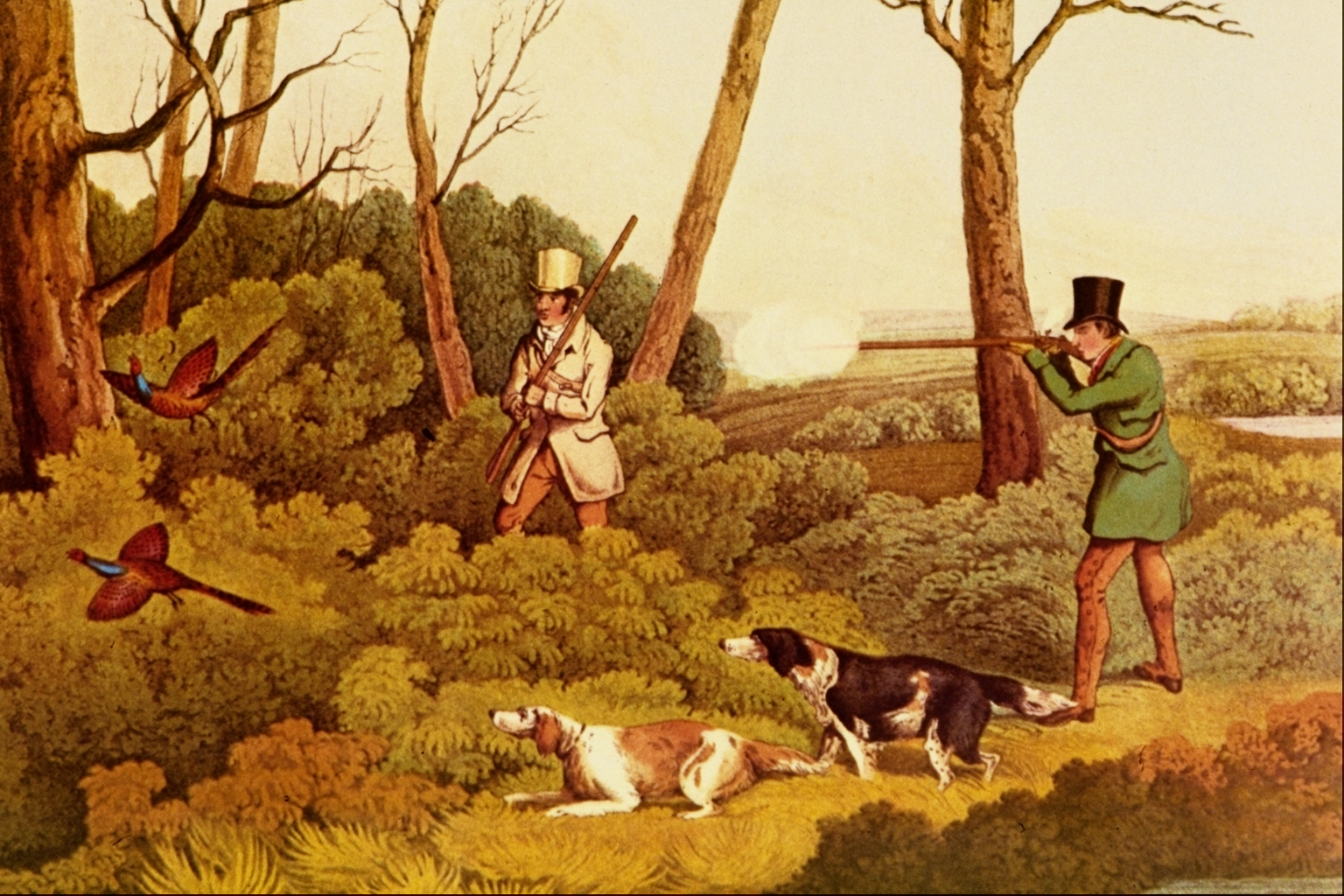
The pheasant is not English. It arrived from somewhere between the Black Sea and China, brought by Romans or Normans depending which account you believe, and has spent the intervening centuries becoming more English than most things that actually are. Ask someone to picture traditional country sport and they will describe pheasant shooting, never mind that the entire enterprise only took its current form in the 1850s.
What the Pheasant Represents
The pheasant belongs to country houses and large estates, which is to say it comes with considerable cultural baggage. This makes it useful to novelists. Wodehouse used shooting parties for comedy - Lord Emsworth navigating social perils while guests tried not to shoot each other. Christie and Sayers saw different possibilities: the isolated country house, the shooting party, someone ending up dead during a drive. Was it accident or murder? The format practically writes itself.
Waugh treated it seriously. In Brideshead the shooting matters not for the sport but for what it represents - the world Sebastian inhabits, has always inhabited, will continue inhabiting regardless of what happens to him personally. The pheasants themselves barely appear. What matters is that this is what people like Sebastian do in December.
The Victorian Invention
Driven pheasant shooting dates to the 1850s, when someone realized that employing beaters to push birds toward waiting Guns produced much higher, faster targets than walking up pheasants with dogs. This changed the sport entirely. Suddenly shooting was about standing still and hitting difficult crossing shots rather than walking all day.
The Edwardians refined it into high art. Elaborate shooting parties, published memoirs describing days when hundreds of birds were shot, the whole apparatus of loaders and keepers and proper form. None of this is ancient history. It is Victorian, presenting itself as traditional because a century feels like enough time to grant that status.
The Absurdity Question
The pheasant shoot is inherently odd. You release semi-domesticated birds, employ staff to feed them, plant coverts to house them, then gather to stand in assigned positions while other staff drive the birds toward you. The whole thing requires considerable expense to produce something you could buy at a game dealer for a few pounds.
But the bird is the excuse for everything else. The elaborate infrastructure, the knowledge accumulated over generations, the whole apparatus of coverts and keepers and proper form - none of it exists to produce pheasants. It exists because it exists, and the pheasant simply provides the occasion. Efficiency would ruin the entire point.
What Remains
Pheasant shooting continues on estates across Britain, employing gamekeepers, maintaining coverts and hedgerows, preserving knowledge that serves no other purpose. The economics make little sense in modern terms, yet estates that have shot pheasants for generations continue doing so. Stopping would mean abandoning something fundamental to how the property understands itself.
The shoot operates according to its own logic. Standing still rather than pursuing quarry, maintaining elaborate infrastructure for a bird that arrived here by accident, treating a Victorian innovation as timeless tradition - none of this requires justification to those who do it. The pheasant shoot simply is what it is, and December is when it happens.
The bird itself, bright and improbable in the winter hedgerow, has somehow made itself entirely at home.
--
Image: By Henry Thomas Alken - Corel Professional Photos CD-ROM, Public Domain, https://commons.wikimedia.org/w/index.php?curid=10330966