Royal Enclosure Dress Code: Requirements for Men & Women
The Royal Enclosure at Royal Ascot enforces Britain's most exacting public dress code. Standards are published, monitored at the gates, and non-negotiable. This is not a place where close enough will do.
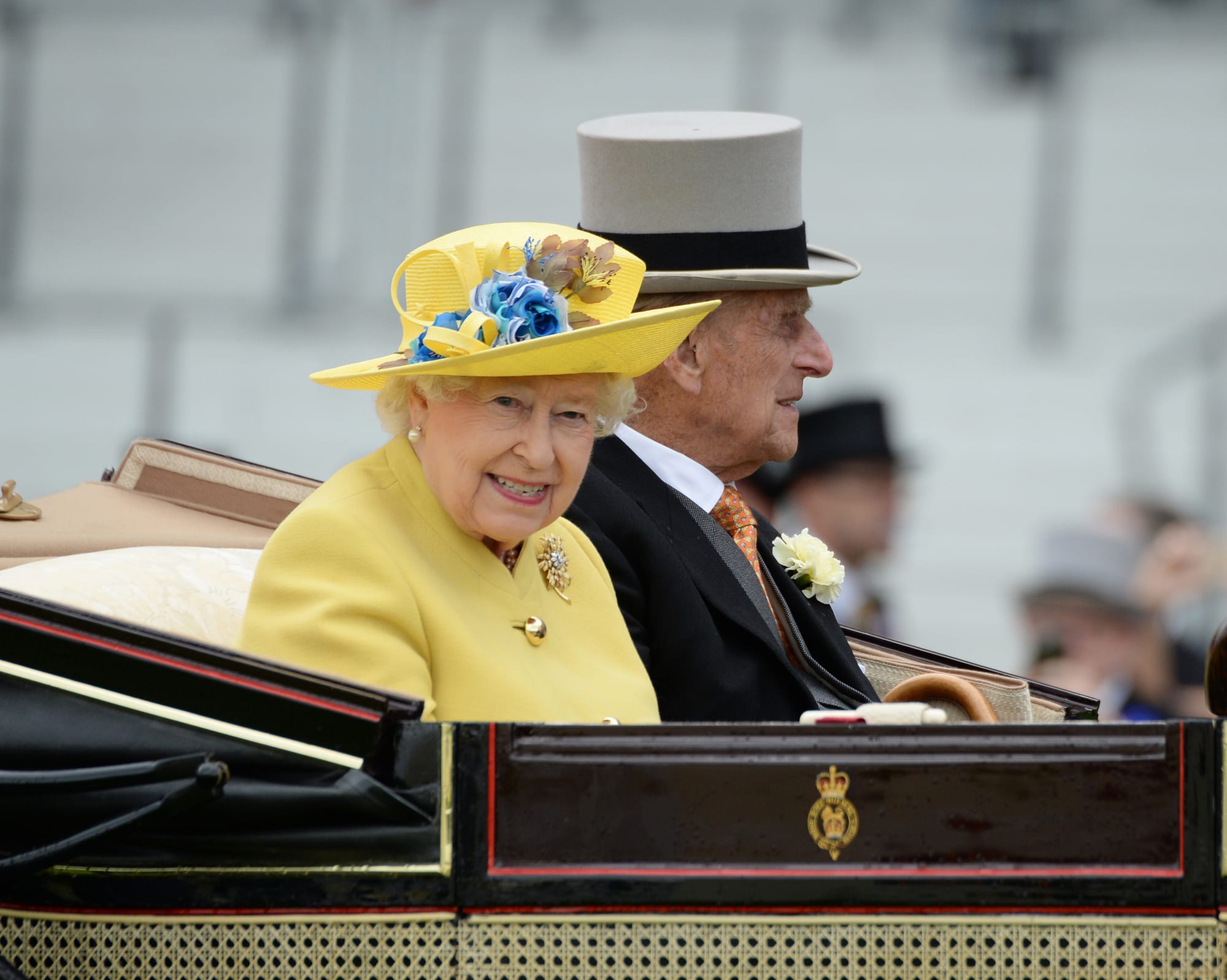
The Royal Enclosure at Royal Ascot enforces Britain's most exacting public dress code. Standards are published, monitored at the gates, and non-negotiable. Refusal of entry is not uncommon, and there are no second chances.
This is not a place where close enough will do. Either you meet the requirements, or you watch from elsewhere. What follows is a precise account of what is required, what is permitted, and what will see you turned away.
Understanding the Royal Enclosure
The Royal Enclosure has operated by invitation since 1822. Entry requires sponsorship from an existing member who has attended for at least four years, or approval through formal application. It remains the most traditional area of Royal Ascot, with views of the Royal Procession and Parade Ring, and an atmosphere distinct from the rest of the racecourse.
The dress code is part of that distinction. It is enforced at the entrance, monitored throughout the day, and taken seriously. Stewards are experienced in spotting non-compliance, and the list of those refused entry each year includes people who thought the rules wouldn't apply to them.
They did. They do.
Men's Dress Code Requirements
The Official Requirements
Morning dress is required in the Royal Enclosure. That means a black or grey morning coat, waistcoat, tie (not a cravat, not a bow tie), black or grey top hat, and black shoes with socks. Each component is mandatory. There is no flexibility, no room for interpretation, and no provision for personal preference.
Morning Coat
The morning coat should be black or grey, single-breasted with one button, and cut away at the front to form tails at the back. The tails should reach the back of the knee. Sleeves should show approximately half an inch of shirt cuff. The coat should button at the natural waist, not higher, not lower.
Herringbone weave is traditional. Plain cloth is equally correct. The cut matters more than the fabric, provided the fabric is appropriate.
For those sourcing morning dress, our guide to Savile Row tailors for Royal Ascot covers bespoke options, whilst the hiring morning dress in London article addresses made-to-measure and hire services.
Waistcoat
A waistcoat is required and must be worn beneath the morning coat. It may be single-breasted or double-breasted. Traditional colours include buff, dove grey, and plain grey. Discreet patterns are acceptable. Patterns of a patriotic nature, such as a small national flag, are permitted.
Novelty waistcoats are not. Bright colours, slogans, brand logos, cartoon imagery, or anything designed to attract attention will result in refusal of entry.
The waistcoat should sit below the coat when standing. If it shows beneath the hem of the coat, the fit is wrong. For single-breasted waistcoats, the bottom button is left undone.
Shirt and Tie
A plain shirt with a turn-down collar is required. Wing collars are strictly for evening dress and are not permitted with morning dress.
White shirts are traditional and universally correct. Very pale blue shirts are occasionally seen, though white remains the safest choice.
The tie must be a conventional necktie. Cravats and bow ties are forbidden in the Royal Enclosure. Plain ties in black, grey, or silver are traditional. Subtle patterns are acceptable, including small motifs such as horses or national flags. Silk is preferred.
Our guide to accessories for Royal Ascot covers ties, cufflinks, and pocket squares in greater detail.
Trousers
Formal striped trousers are worn with morning dress. These are typically grey with a black stripe, or black with a grey stripe, and do not match the coat fabric. The trousers are high-waisted and worn with braces. Belts are not used.
A single or double braid runs down the outer seam of each leg. The trousers should break slightly at the shoe, with no turn-ups.
Shoes
Black shoes are required. Whilst Royal Ascot's official guidance requires only "black shoes", we strongly recommend black Oxford shoes. Lace-up Oxfords are the traditional choice for formal daywear and the safest option.
Derby shoes are acceptable. Loafers, whilst not explicitly forbidden, sit at the edge of formality and are best avoided. Brogues, with their decorative perforations, are too casual for the Royal Enclosure.
Patent leather, once common, is now rare and typically reserved for evening dress.
Shoes should be highly polished. Black socks must be worn and should cover the ankle. No bare ankles.
Top Hat
A black or grey top hat is required and must be worn outdoors within the Royal Enclosure. It may be removed indoors, in restaurants, private boxes, private clubs, or enclosed seating areas.
Silk plush top hats are the traditional choice but are rare and expensive. Felt top hats are now standard and entirely correct. The hat should be well-shaped and properly fitted.
Customisation of top hats is not permitted. Coloured ribbons, bands, feathers, or any embellishment will result in refusal of entry.
Our guide to top hats at Royal Ascot covers where to source them, silk versus felt, and fitting considerations.
Women's Dress Code Requirements
The Official Requirements
Formal daywear is required in the Royal Enclosure. That includes dresses or skirts of modest length (just above the knee or longer), straps of one inch or greater, covered shoulders (no strapless, off-shoulder, halter neck, or spaghetti straps), a hat with a solid base of 4 inches (10cm) or greater, no fascinators, and a covered midriff. Trouser suits are permitted, provided they are full-length and of matching colour and material. Jumpsuits are permitted, provided they fall below the knee and meet the same neckline requirements as dresses.
Dresses and Skirts
Dresses and skirts should be of modest length, defined as falling just above the knee or longer. This is the official wording and should be interpreted conservatively. At or below the knee is safest.
Hemlines are checked at the gates and remain subject to scrutiny throughout the day. What sits just above the knee when standing may rise considerably when seated. Plan accordingly.
Formal daywear is expected. The dress should be structured, well-cut, and appropriate for a formal occasion. Fabric matters. Sheer materials, casual cottons, and anything too revealing will not pass muster.
Shoulder Coverage
Shoulders must be covered. Straps must be at least one inch wide. This is a firm requirement.
Not permitted: strapless dresses, off-the-shoulder styles, halter necks, one-shoulder designs, spaghetti straps, or sheer straps or sleeves.
Jackets and pashminas may be worn over dresses, but the dress underneath must still comply with the code. A jacket does not excuse a non-compliant dress.
Sleeves, cap sleeves, or substantial straps are all acceptable. The key is that the shoulder coverage must be part of the garment itself, not an afterthought.
Hat Requirements
This is where most refusals occur.
A hat must be worn. The hat must have a solid base of at least 4 inches (10 centimetres) in diameter. Fascinators are not permitted in the Royal Enclosure. This rule was introduced in 2012 and is strictly enforced.
The 4-inch measurement refers to the base of the hat, the widest part of the structure, not including any decoration. A headpiece without a solid base, regardless of size, is not acceptable.
Wide-brimmed hats, structured hats with a solid base, and perchers or pillboxes meeting the 4-inch requirement are all acceptable. Headbands, clips, combs, and fascinators are not.
When commissioning a hat, ensure the milliner understands the Royal Enclosure requirements. Our directory of London milliners for Royal Ascot [LINK TO: HH directory "Royal Ascot Milliners"] includes those familiar with the dress code.
For further guidance, see our guide to hats at Royal Ascot [LINK TO: /hats-at-royal-ascot-notes-on-form-etiquette-and-makers/].
Trouser Suits and Jumpsuits
Trouser suits are welcome in the Royal Enclosure, provided they are full-length (to the ankle) and of matching colour and material. The jacket and trousers must match.
Jumpsuits are permitted, provided they fall below the knee and meet the neckline and strap requirements. Midriffs must be covered.
Both options must maintain the formality expected in the Royal Enclosure. Casual fabrics, athleisure styles, and anything too relaxed will be refused.
Additional Requirements
Midriffs must be covered at all times. Sheer panels, cut-outs, or low-rise waistbands that expose skin are not permitted.
Tights or stockings are expected, though not explicitly required. Bare legs, whilst technically permitted, are uncommon and may draw attention.
What Happens If You're Non-Compliant
Dress code compliance is checked at the entrance to the Royal Enclosure. Those who do not meet the requirements are refused entry. There are no exceptions, no appeals, and no refunds.
Recent years have seen refusals for women wearing fascinators instead of hats, men wearing loafers instead of lace-up shoes, bare ankles (men), hemlines above the knee (women), cravats instead of ties (men), and strapless dresses (women).
The stewards are polite but firm. If you're refused entry, you may purchase tickets for another enclosure, but Royal Enclosure access will not be granted. The invitation or badge you've secured, often months in advance, is forfeited.
The embarrassment is considerable. The financial loss, depending on how the tickets or hospitality were arranged, can be significant.
It is worth getting it right.
Practical Guidance
Planning Timeline
If commissioning bespoke or made-to-measure attire: bespoke morning dress requires 3–6 months, made-to-measure 8–12 weeks, and bespoke millinery 6–12 weeks.
If hiring: book 2–3 months in advance, earlier for June dates. Multiple fittings are recommended. Confirm all measurements.
If buying ready-to-wear: allow time for alterations. Trousers will almost always need finishing at the hem. Dresses may need adjustments to hem or straps.
Weather Considerations
Royal Ascot takes place in June. British summer weather is unpredictable.
Rain is common. The dress code applies regardless of weather. Top hats are still required. Hats are still required. Shoes will get wet.
Bring an umbrella. A wooden-handled umbrella is traditional, though not required. Ensure it matches the formality of the occasion.
For women, consider a coat or jacket that complements the dress. For men, accept that a morning coat offers limited protection and plan accordingly.
Comparison with Other Enclosures
The Royal Enclosure maintains the strictest dress code at Royal Ascot.
Queen Anne Enclosure: Men require a full suit with shirt and tie (morning dress not required but permitted). Women require formal dress, hats or fascinators are permitted, strapless styles are not permitted.
Village Enclosure: Men require a jacket, full-length trousers, shirt and tie (bow ties or cravats permitted). Women require formal dress, hats or fascinators, with smaller headwear recommended due to outdoor setting.
Windsor Enclosure: No formal dress code. Smart daywear is encouraged.
The Royal Enclosure's dress code reflects its status. Those attending understand that the formality is part of the occasion, not an obstacle to it.
Where to Source Required Attire
Men's Morning Dress
Bespoke and made-to-measure: Our guide to Savile Row for Royal Ascot covers the leading tailors, timelines, and what to expect from the bespoke process.
Hire: Our guide to hiring morning dress in London addresses hire services, fitting appointments, and advance booking.
Top hats: See our directory of top hat makers in London for both purchase and hire options.
Women's Attire
Milliners: Our directory of London milliners includes those experienced with Royal Ascot requirements and the 4-inch base rule.
Dresses: Look for British designers familiar with formal daywear, or high-street options with tailoring services for adjustments. Ensure shoulder coverage and hemline requirements are met before purchase.
Common Questions
Can I wear a fascinator in the Royal Enclosure? No. The 2012 rule change banned fascinators. A hat with a 4-inch solid base is required.
Are cravats permitted for men? No. Ties only in the Royal Enclosure. Cravats are permitted in the Queen Anne and Village Enclosures but not here.
Can women wear trouser suits? Yes, provided they are full-length and of matching colour and material.
What if it rains? The dress code applies regardless of weather. Bring an umbrella.
Can I remove my top hat indoors? Yes. Top hats must be removed in restaurants, private boxes, private clubs, and enclosed external seating areas.
Is morning dress required or just recommended? Required. It is enforced at the gates.
Are brown shoes acceptable? No. Black shoes only.
What happens if I don't meet the dress code? You will be refused entry. No exceptions.
Final Notes
The Royal Enclosure dress code is specific, enforced, and unchanged for good reason. It maintains a standard that distinguishes the enclosure from the rest of the racecourse and the event from most others.
Those who attend do so understanding that the formality is deliberate, the requirements are clear, and compliance is expected. It is not difficult to meet the code, provided you plan ahead and understand what is required.
When in doubt, more formal is safer. Traditional choices are always correct. And the effort, for most, is part of the occasion.
For suppliers of morning dress, millinery, and formal accessories, visit the Holloway & Hare directories: Morning Wear London, Royal Ascot Milliners, Savile Row Tailors, and Top Hat Makers.
--
Image: HRH the Queen of England in the royal procession at the Royal Ascot Races 14-6-16, ID 73383638 | Royal Ascot © Martin Applegate