On the Sussex Downs
The Dukes of Richmond have occupied Goodwood House since 1697. That is 327 years of the same family in the same building. More importantly, they have a rule about what happens next.
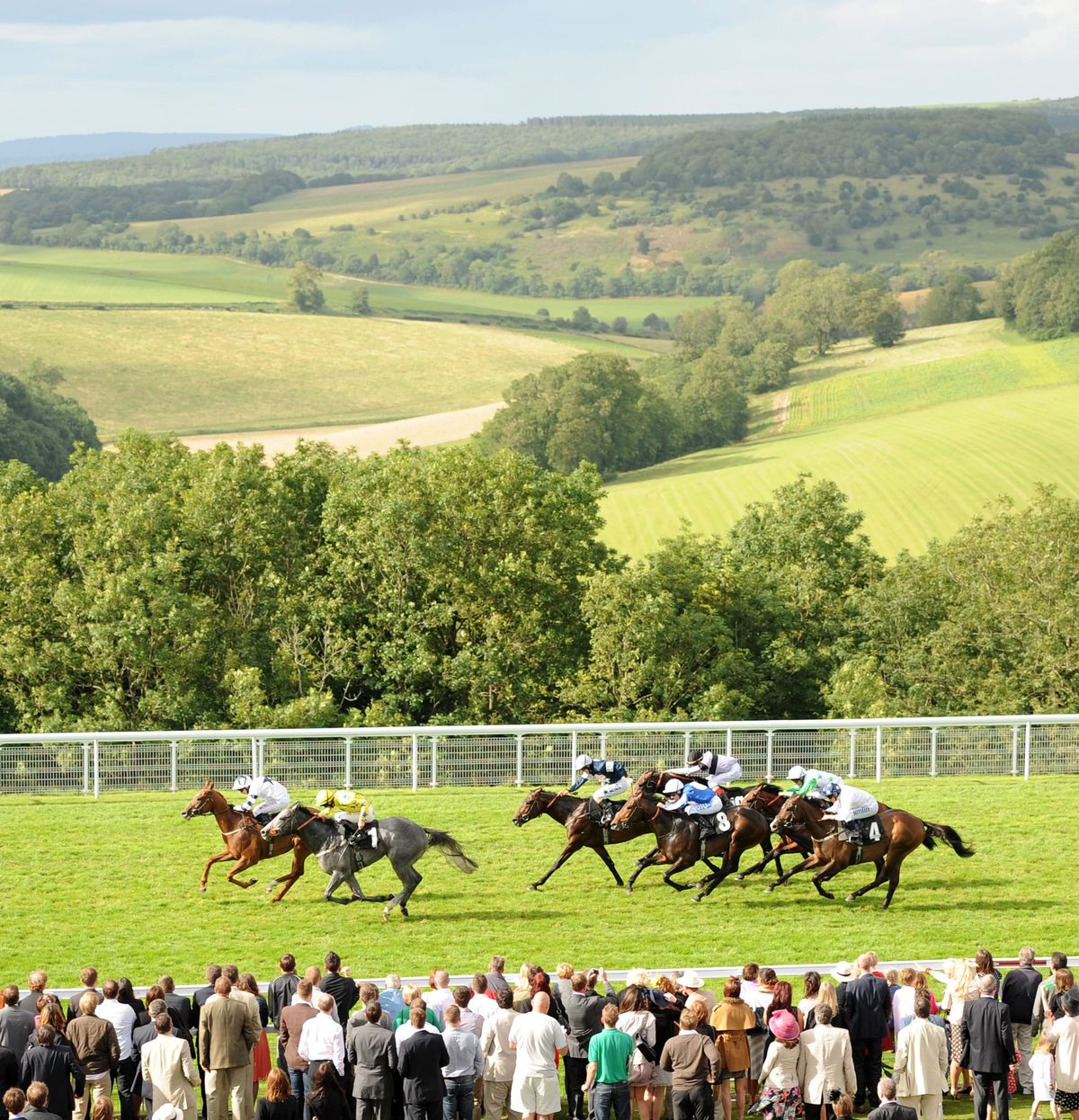
The Dukes of Richmond have occupied Goodwood House since 1697. That is 327 years of the same family in the same building. More importantly, they have a rule about what happens next.
When the heir reaches 40, he moves into the main house and takes over management of the estate. The sitting Duke steps into a smaller property nearby. It is mechanical. It is structural. It forces the handoff. This succession protocol is what binds ownership and stewardship together across generations in a way that most modern commercial operators simply cannot replicate.
The Succession Rule
Each Duke has remade Goodwood entirely on his own terms. The 1st Duke bought it as a hunting lodge in 1697. The 9th Duke inherited in 1935, looked at a decommissioned WWII airfield on the grounds, and created the Goodwood Motor Circuit in 1948. He was a motorhead. He had won races himself. So he built one.
In 1966, safety concerns meant he closed it. No revenue argument moved him. Danger meant danger.
The 11th Duke took over at 40 in 1994. He opened the Festival of Speed in 1993 and resurrected the motor circuit as the Revival in 1998.
Each Duke got to be Duke of Richmond in his own way, using the same 11,000 acres for his own time. A racing man. A motorhead who closed the circuit for safety. A motorhead who reopened it. Then he handed the entire thing on; remade, not fragmented, still intact; to whoever came next. What makes Glorious Goodwood work is not just that it happens; it is that someone who will inherit it is choosing to let it happen, choosing its form, choosing whether it closes or opens.
Stewardship and Capital
The Duke does not consult shareholders. But he does have to sustain the place. In 2025, he brought in Visit Qatar as presenting partner. Qatar now holds naming rights to six races, including the Sussex Stakes, which now carries £1.5 million in prize money. Qatar pavilions appear during the week. Qatari chefs prepare food. Qatar's name is everywhere.
This is where the structure matters. A different owner might have sold the place to Qatar entirely, or let Qatar dictate what Goodwood becomes. But because the Duke owns it outright, lives there, and knows his successor will inherit it intact, he can afford to monetize it heavily without losing control. The family succession is so solid that commercial capital doesn't threaten the core.
Goodwood now contains both things: the 11th Duke's vision, and massive foreign investment that makes it sustainable. Stewarded and sponsored. Traditional and commercial. Family-owned and globally branded. The place works as both a private estate and a public fixture; something that seems impossible until you realise someone actually lives there and will pass it on.
This continuity is what distinguishes Goodwood. The Duke's decisions are not governed by quarterly returns or shareholder pressure. They are governed by the fact that he lives there and his son will live there too. The person making decisions about Qatar money is the person who will live there after Qatar money is gone. He will hand it to his son. His son will remake it again.
You can visit Goodwood House and its racing through the estate's website, but what you are visiting is someone's home and someone's responsibility. That matters more than any amount of prize money or sponsorship could.
Edmund Burke wrote in Reflections on the Revolution in France: "A state without the means of some change is without the means of its conservation." The same could be said of an estate.
Comments ()